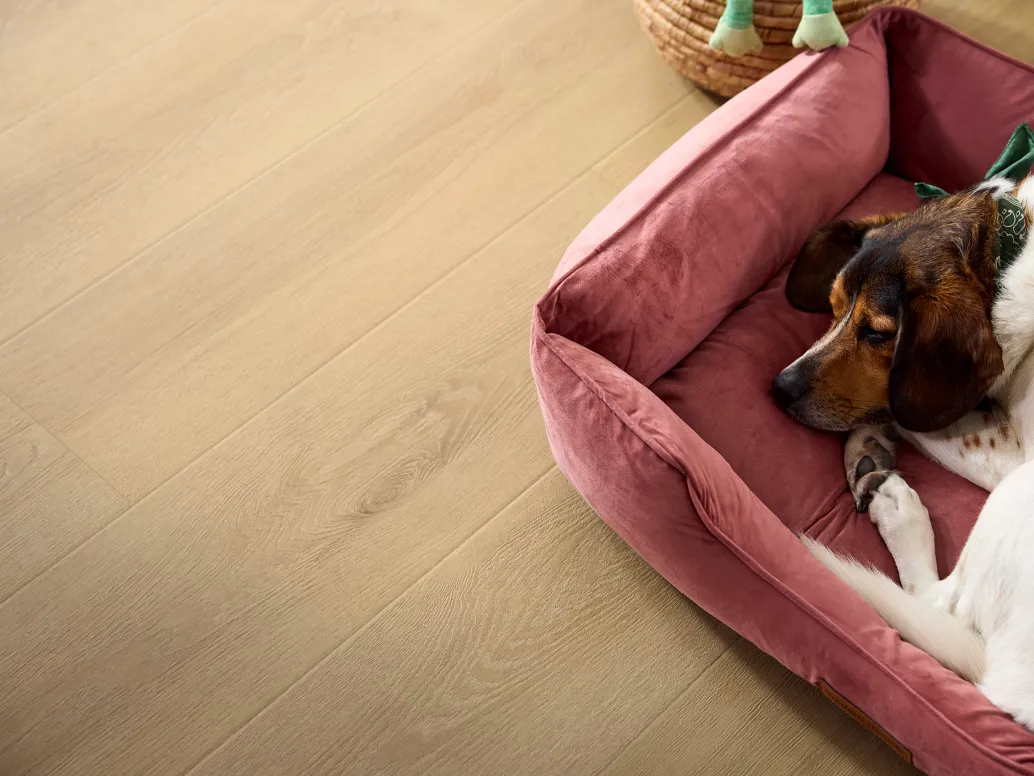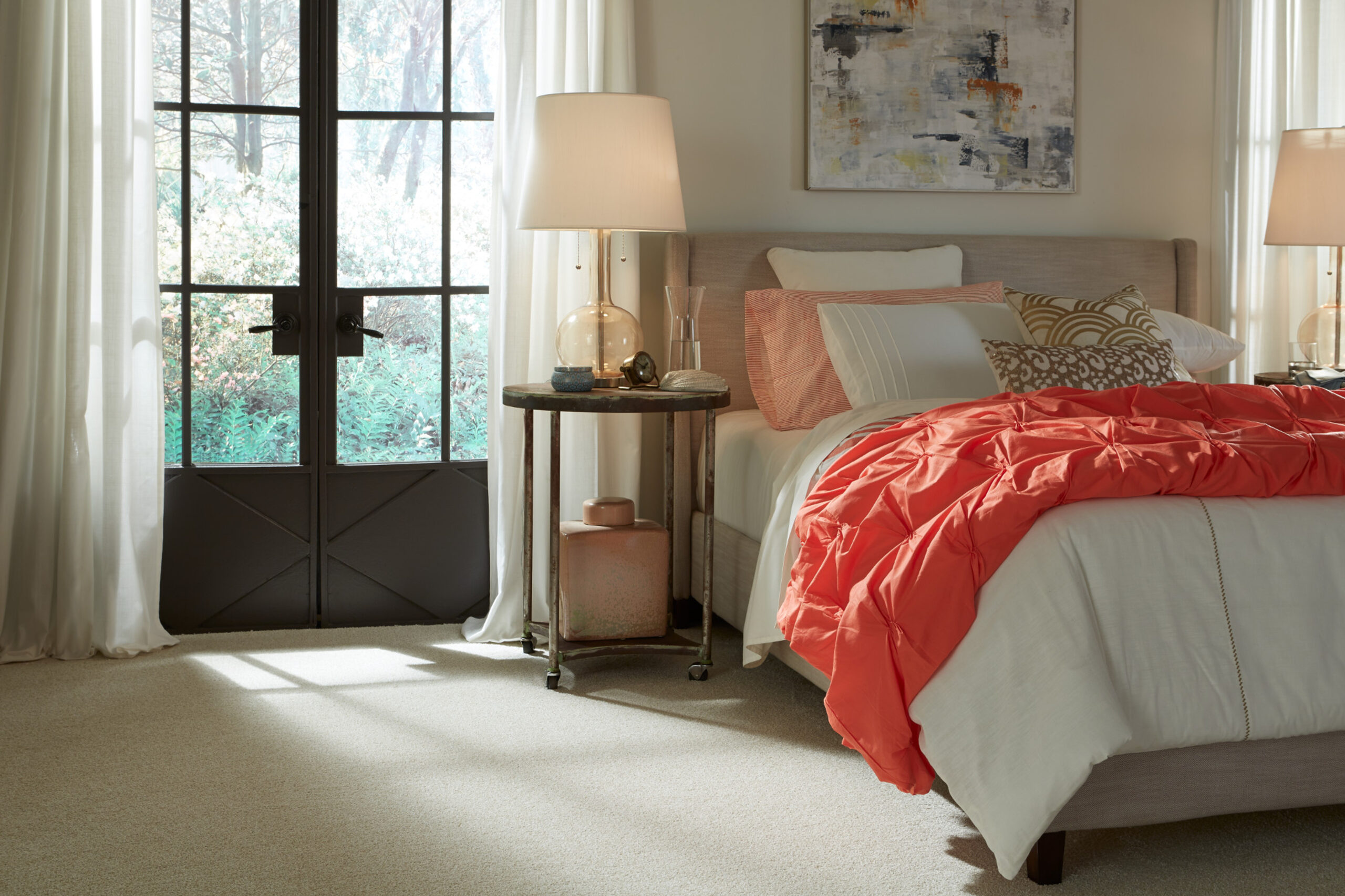

Picking new flooring is exciting, but figuring out which type is best for your home can get confusing. Vinyl, laminate, and engineered hardwood all offer attractive styles and practical benefits. However, they differ in durability, moisture resistance, maintenance, and cost.
So, how do you decide which one makes the most sense for your space? Start by thinking about how you use each room. Do you have kids, pets, or lots of foot traffic? Are you looking for waterproof flooring or the natural beauty of real wood? Let’s look at what makes each option different.
Why Choose Luxury Vinyl Plank and Tile?
One of vinyl flooring’s biggest advantages is its resistance to moisture. Many luxury vinyl products are waterproof, making them popular choices for kitchens, bathrooms, laundry rooms, and basements. However, proper installation still matters because moisture can affect the subfloor beneath your flooring.
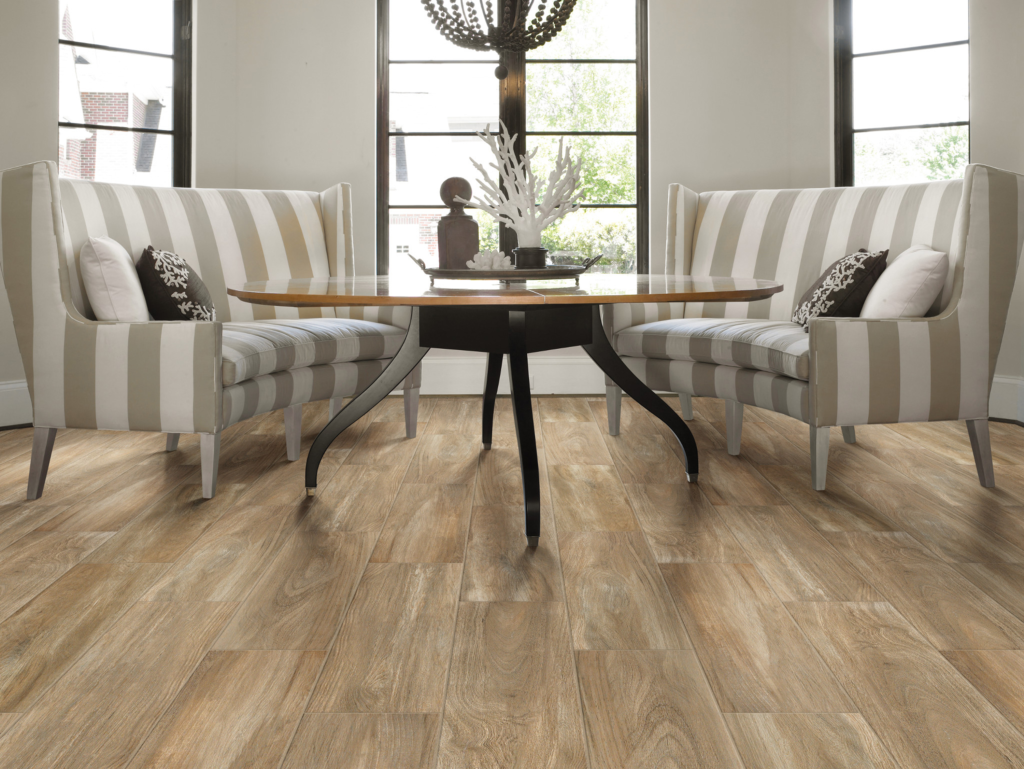
Vinyl flooring also gives you plenty of design options. Love the look of hardwood but don’t want the upkeep? Luxury vinyl plank recreates the appearance of wood without using real wood. Prefer the look of stone or ceramic tile? Luxury vinyl tile offers those styles, often with a softer feel underfoot.
Another plus is how easy vinyl is to maintain. Regular sweeping and occasional damp mopping usually keep it looking good. Many products also resist everyday scratches, stains, and scuffs. That makes vinyl a practical choice for families with kids, pets, or busy schedules.
Vinyl can also work well in commercial spaces. Depending on the product, it may handle heavy foot traffic in offices, retail stores, and other busy environments. Just be sure to check the product’s wear layer and commercial rating before making your choice.
Is Vinyl Flooring Right for Your Home?
Vinyl is a great option if you want attractive flooring without spending too much time worrying about spills. It’s especially useful in rooms where moisture and messes are common. Plus, the wide range of styles makes it easy to match your existing decor.
Laminate Flooring: Stylish Looks Without the Hardwood Price
Want the look of wood without the cost of genuine hardwood? Laminate flooring might be just what you’re looking for. It combines a decorative image layer, a protective top layer, and a dense core. Together, these layers create a durable surface designed for everyday living.
What Makes Laminate Flooring a Popular Option?
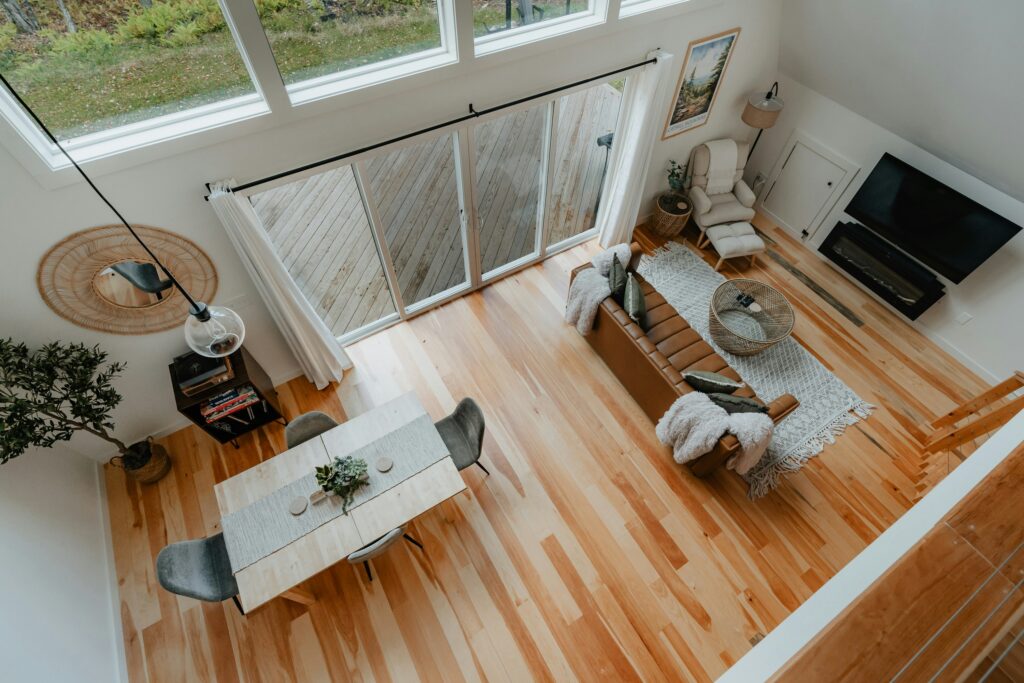
One of laminate’s biggest selling points is its realistic wood appearance. Today’s designs feature detailed grain patterns, natural-looking knots, and a variety of colors. As a result, laminate can give your home a warm, wood-inspired look at a budget-friendly price.
Laminate flooring is also designed to handle everyday wear. Its protective surface helps resist scratches and scuffs, making it a good fit for busy living rooms, hallways, and bedrooms. Furthermore, cleaning is usually simple. Regular sweeping and occasional cleaning with a manufacturer-approved product can help keep your floors looking their best.
Many laminate floors feature click-lock installation systems, which can simplify the installation process. However, the subfloor still needs to be properly prepared. A level, stable surface helps prevent problems and gives your new flooring a better finish.
You’ll also find plenty of styles to choose from. Whether you prefer light oak, rich walnut, or modern gray tones, there’s likely a design to suit your home. This variety makes laminate easy to coordinate with different furniture styles and color schemes.
Where Does Laminate Flooring Work Best?
Laminate is a smart choice for homeowners who want a wood-look floor at a more affordable price. It’s especially well suited to bedrooms, living rooms, dining rooms, and other relatively dry areas.
However, standard laminate isn’t always waterproof. Some newer products offer waterproof construction or added moisture protection, but features vary by manufacturer. If you’re considering laminate for a kitchen, bathroom, or basement, check the product specifications carefully.
For homes with kids and pets, laminate’s scratch-resistant surface can be especially helpful. Just remember to clean up spills promptly unless your flooring has verified waterproof protection. This helps prevent moisture from damaging the core or getting between the planks.

Engineered Hardwood Flooring: The Beauty of Real Wood
If you love the warmth and character of real wood, engineered hardwood deserves a closer look. Unlike vinyl and laminate, engineered hardwood has a genuine hardwood surface. Beneath it, multiple layers form a stable core that supports the wood veneer.
This layered construction helps engineered hardwood handle changes in temperature and humidity better than solid hardwood in certain conditions. That doesn’t mean it’s completely immune to moisture, though. The right product, installation method, and indoor conditions all play a role in how well it performs.
Why Consider Engineered Hardwood Floors?
The biggest difference is right on the surface: engineered hardwood features real wood. Natural grain patterns, knots, and subtle color variations give each floor its own character. If you want an authentic wood look, it’s hard to beat the real thing.
There’s also plenty of variety. You can choose from different wood species, finishes, plank widths, and colors. Whether you prefer a classic oak floor or a darker, richer finish, engineered hardwood can complement many interior styles.
Another benefit is that some engineered hardwood floors can be refinished. However, this depends on the thickness of the wood veneer and the manufacturer’s recommendations. Products with thicker veneers may offer more refinishing opportunities than those with thinner surfaces.
Engineered hardwood can also work with certain radiant heating systems. If that’s something you’re considering, check product compatibility before purchasing. Professional installation can help ensure your flooring suits your subfloor and home’s conditions.
Is Engineered Hardwood a Good Fit for Your Lifestyle?
Engineered hardwood is a great choice if you want genuine wood flooring with a timeless appearance. It works especially well in living rooms, dining rooms, bedrooms, and open-concept spaces.
However, it’s not generally waterproof. Spills should be cleaned promptly, and areas with frequent moisture may need a different flooring option. If you’re looking at bathrooms or laundry rooms, vinyl may be the more practical choice.
Engineered hardwood can cost more than vinyl or laminate, but many homeowners appreciate its natural appearance. It’s an appealing option when the look and feel of real wood matter most.
Vinyl vs. Laminate vs. Engineered Hardwood: What’s the Difference?
At first glance, these three flooring types can look surprisingly similar. However, their construction and performance set them apart.
Vinyl is often the best fit for moisture-prone rooms and busy households. Laminate offers an affordable way to get a wood-look floor with good scratch resistance. Meanwhile, engineered hardwood brings the natural beauty of real wood into your home.
Think about where the flooring will go before making your decision. For example, waterproof vinyl is often a practical choice for bathrooms and laundry rooms. Laminate may be a better fit for a dry living room where budget and scratch resistance are priorities.
On the other hand, engineered hardwood is worth considering when you want genuine wood grain and a classic finish. Just keep moisture exposure and maintenance in mind.
How to Choose the Best Flooring for Your Home
The right flooring depends on your rooms, routines, and budget. Start by considering foot traffic, pets, spills, and how much maintenance you’re comfortable doing. These everyday details can help narrow down your options.
Next, look beyond the price per square foot. Underlayment, subfloor preparation, trim, transitions, and installation can all affect your project’s final cost. Getting a complete estimate helps you compare options more accurately.
Finally, take time to look at samples in your own space. Colors can look different depending on your lighting, wall colors, and furniture. Seeing flooring samples in person can help you feel more confident about your decision.
Vinyl, laminate, and engineered hardwood each have something to offer. The best choice is the one that fits your home, your lifestyle, and the way you want your space to look. With a little planning, you can find flooring you’ll enjoy for years to come.